Introduction: Why fragrance-free matters for eczema-prone skin
Eczema weakens the skin’s moisture barrier, making it hypersensitive to common irritants. Added scents are among the top triggers for stinging, redness, and itching, which is why choosing fragrance-free formulas is essential for comfort and barrier repair. For those managing atopic dermatitis, skipping scent isn’t a preference—it’s a strategy.
If you plan to buy fragrance-free body lotion for eczema online, a bit of ingredient know‑how goes a long way. Below, you’ll find the essentials to look for, what to avoid, and smart ways to build a soothing, scent-free body routine that works through flares and beyond.
Quick Summary: Must-have ingredients and what to avoid
Must‑have ingredients for eczema‑safe hydration
- Ceramides: Lipids that rebuild the skin barrier; look for multi-ceramide blends. Learn more about ceramides on Wikipedia.
- Colloidal oatmeal: Soothes itching and supports barrier function; see colloidal oatmeal.
- Glycerin: Powerhouse humectant that draws water into the skin; overview on Wikipedia.
- Petrolatum: Gold‑standard occlusive to lock in moisture and protect microcracks; read about petroleum jelly.
What to avoid on sensitive, eczema-prone skin
- Fragrance/Parfum and masking scents (even if the product smells “neutral”).
- Essential oils (e.g., lavender, tea tree, citrus)—natural but still fragrance compounds.
- Drying alcohols (SD alcohol, denatured alcohol) and harsh astringents.
- Common irritants like certain preservatives (e.g., methylisothiazolinone), dyes, and strong acids.
What Dermatologists Recommend: Barrier repair basics and ideal textures for flares vs maintenance
Dermatology care focuses on three moisturizer functions: humectants (pull in water), emollients (smooth gaps), and occlusives (seal moisture). A fragrance-free product that blends glycerin, ceramides, and petrolatum covers all three bases. See an overview of moisturizer science on Wikipedia.
Match texture to your day: during active flares, pick ointment-level occlusion (petrolatum balms) to reduce transepidermal water loss. For maintenance, use a rich cream with ceramides and glycerin twice daily. In hot weather or after workouts, a lightweight lotion can be more comfortable while still barrier-supportive.
How to Read Product Pages: Fragrance-free vs unscented, ingredient list order, common irritants
- Fragrance‑free vs unscented: Fragrance‑free means no masking perfumes are added. Unscented may still include fragrance chemicals to neutralize odor. If in doubt, avoid anything listing parfum or aroma; see background on fragrance in perfumery.
- Ingredient list order: INCI names appear from highest to lowest concentration. Early listing of glycerin, petrolatum, or ceramides is a good sign. Learn about INCI on Wikipedia.
- Scan for irritants: Skip essential oils (limonene, linalool, eugenol), strong alcohols, dyes, and known sensitizers (e.g., methylisothiazolinone).
- Claims vs. clarity: Certifications and “dermatologist-tested” can help, but always read the full ingredient list and reviews from sensitive-skin users.
Top Picks by Need: Babies and kids, severe flares, lightweight daily lotions, budget bulk buys, hygienic pump formats
- Babies and kids: Minimal-ingredient fragrance-free creams with ceramides and glycerin. Choose tubes or pumps for hygiene, and avoid essential oils or botanicals.
- Severe flares (thick ointments): Plain petrolatum or ceramide-enriched balms create an occlusive shield to reduce water loss and sting.
- Lightweight daily lotions: Fast-absorbing, fragrance-free lotions featuring glycerin and hyaluronic acid with ceramides—ideal for humid climates or daytime reapplication.
- Budget bulk buys: Large, fragrance-free pump bottles or value refills lower cost per ounce and encourage generous, frequent use.
- Hygienic pump formats: Pumps minimize contamination, keep hands out of jars, and make it easier to apply the right quantity consistently.
Tip: If a product comes in a jar, use a clean spatula to avoid introducing bacteria, especially during flares.
Patch Testing and Application Tips: Moisturize within 3 minutes post-shower, quantity per limb, layering with prescriptions
- Patch test first: Apply a small amount behind the ear or inner forearm twice daily for 48 hours. Stop if redness, burning, or hives occur.
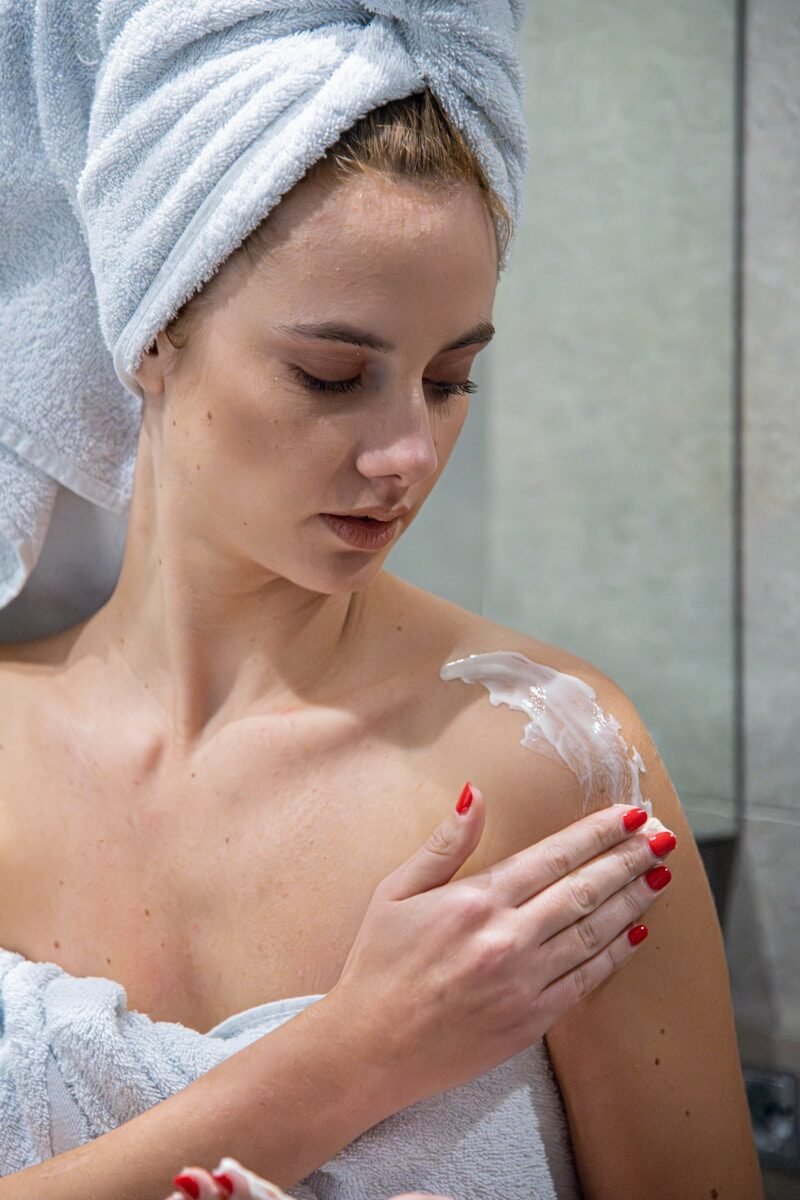
- Moisturize within 3 minutes: After bathing, pat skin damp and apply your fragrance-free lotion or ointment promptly to “lock” in water—the classic “soak and seal” method.
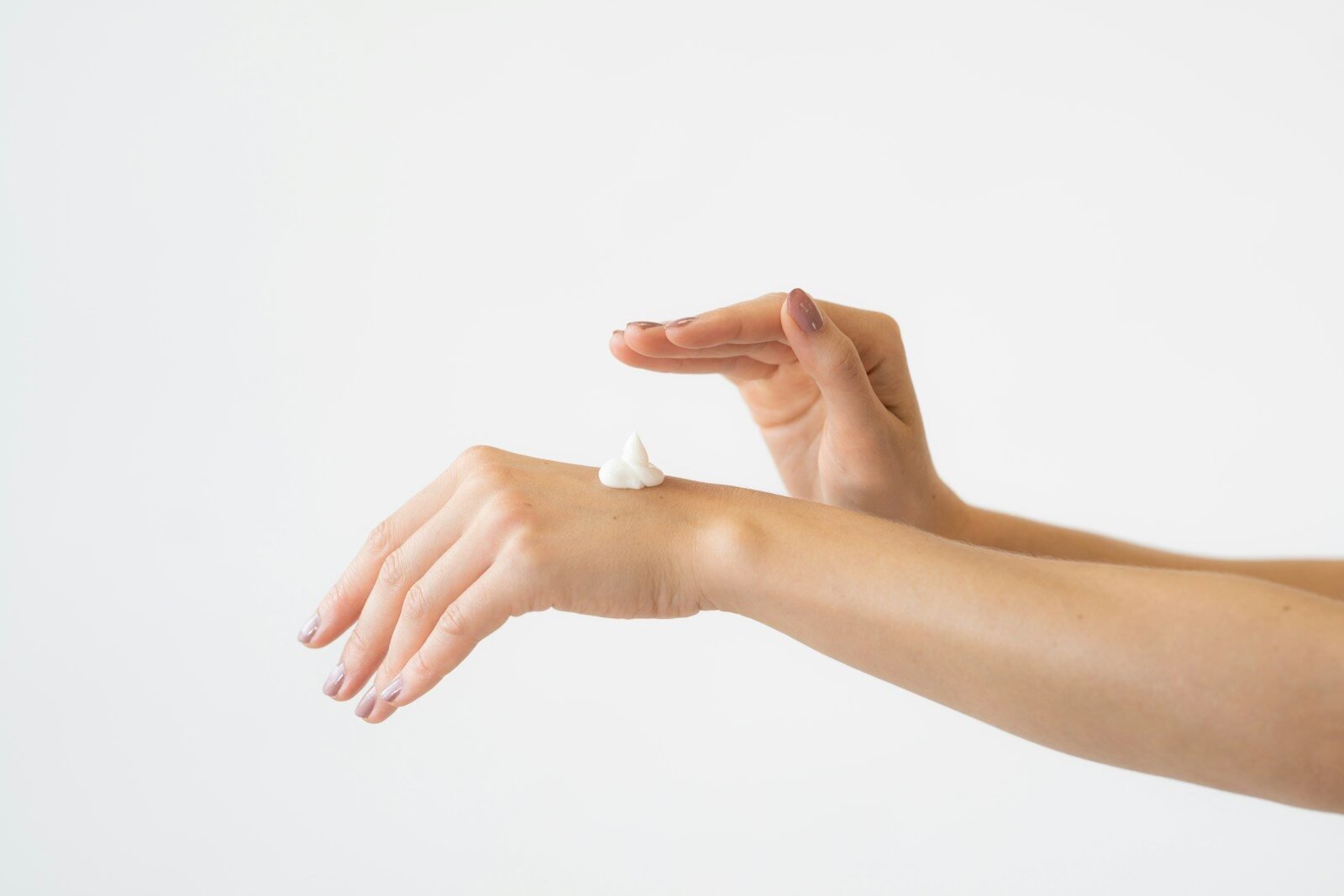
- How much to use: Aim for 2–3 fingertip units (FTUs) per arm and 4–5 FTUs per leg; add more over very dry patches. Coverage should leave a soft sheen without heavy residue.
- Layering with prescriptions: Apply topical steroids or calcineurin inhibitors to affected areas first, let absorb ~10–15 minutes, then seal with your fragrance-free moisturizer.
- Tools: If you prefer a device for gentle cleansing on non-inflamed areas, consider a soft-bristle option like the Face and body Skin Care kit. Avoid scrubbing active eczema or broken skin.
Smart Online Shopping: Subscription savings, return policies, seasonal shipping considerations
- Subscription savings: Auto-delivery can lower prices and prevent running out during a flare. Understand how the subscription economy impacts pricing and convenience by browsing Forbes.
- Return policies: Sensitive-skin reactions happen. Favor retailers with generous returns on open skincare. See useful examples from HubSpot’s return policy guide and learn about RMAs on Wikipedia.
- Seasonal shipping: Heat can soften ointments; extreme cold can thicken creams. In summer, choose faster shipping or avoid leaving parcels in direct sun. In winter, let products come to room temperature before first use.
- Stock smart: Keep a small travel tube in your bag and a bulk pump at home. If you buy fragrance-free body lotion for eczema online, purchase an extra during sales to avoid gaps in your routine.
Conclusion: Build a soothing, scent-free body routine today
Fragrance-free body care is a cornerstone of eczema management. By choosing barrier-repairing ingredients, matching texture to your skin’s needs, and shopping wisely, you’ll spend less time troubleshooting and more time feeling comfortable.
Ready to buy fragrance-free body lotion for eczema online? Start with ceramides, glycerin, colloidal oatmeal, and petrolatum—then stick to a consistent, scent-free routine that supports your skin every day.
FAQ: Are natural fragrances safer? Is coconut oil helpful? How often to reapply? Lotion vs cream vs ointment?
- Are natural fragrances safer? Not necessarily. Essential oils are still fragrance chemicals and can irritate eczema-prone skin. When in doubt, choose fragrance-free and avoid masking scents. Learn more about essential oils.
- Is coconut oil helpful? Virgin coconut oil can be an emollient and offers mild antimicrobial benefits for some people, but it may clog pores or irritate others. Patch test first. See Coconut oil.
- How often should I reapply? At least twice daily and after bathing or hand-washing. During flares or in dry climates, apply more often—use enough to leave a soft, comfortable sheen.
- Lotion vs cream vs ointment? Lotions are light and quick to absorb; creams are richer and better for daily maintenance; ointments are thick occlusives best for flares and very dry, cracked areas.