Introduction: Mineral UV protection without a gray or purple cast
Finding the best mineral sunscreen for dark skin no white cast is absolutely possible today. Modern zinc oxide and titanium dioxide formulas now come in undertone-smart tints and more elegant textures that disappear on deep complexions. If you’ve been let down by gray, purple, or chalky residue, this guide shows exactly how to shop, swatch, and apply for a seamless, protected finish.
Below, you’ll learn what to buy, what to avoid, and the small application tweaks that make a big difference. We’ll also cover categories for daily wear, oil-control, sport, and touch-ups, plus home swatch tests to ensure a perfect match under any light.
Quick Summary: What to buy, what to avoid, and how to apply for zero cast
- Buy: Tinted mineral sunscreens with iron oxides (help against visible light) and coated, micronized zinc oxide for better blend. Look for SPF 30–50 and PA+++ to PA++++ for strong UVA coverage.
- Avoid: Thick, stark-white creams; purely titanium-heavy formulas if you’re very deep-toned; fragrances that can irritate; and sunscreens labeled “white” or “sheer” without tints if they historically leave cast on you.
- Finish matters: Choose matte for oily zones and dewy or hydrating finishes for dry skin. Undertone-aware tints (golden/olive/red/neutral) reduce grayness.
- Application keys: Apply the correct amount, warm the product between fingers, and spread over a thin layer of moisturizer to help glide. Let it set 5–10 minutes before judging cast.
- Reapply smartly: Use tinted sticks, powders, or mists over makeup. For outdoor days, keep a sport/water-resistant option on hand.
For sunscreen fundamentals, see Wikipedia on Sunscreen.
Why Mineral Sunscreens Leave a Cast and Modern Fixes: Tints, iron oxides, micronized zinc/titanium
Mineral filters like zinc oxide and titanium dioxide protect by reflecting and scattering UV. On deeper skin, large or uncoated particles can visibly scatter light, creating a gray or purple cast.
Modern fixes include micronized (finely milled) minerals, surface-coated pigments for better slip, and tints with iron oxides that offset whiteness and help with visible and high-energy visible (blue) light. Undertone-matched tints (golden/olive/red/neutral) further reduce mismatch.
The result: mineral protection with a skin-like finish and minimal flashback, especially when you choose a tint aligned to your undertone.
Buying Guide: SPF and PA ratings, zinc vs titanium, finish (matte vs dewy), undertone-friendly tints
SPF & UVA rating: Aim for SPF 30–50 daily. Check PA+++ or PA++++ for robust UVA protection. Learn more about UVA/UVB differences on Wikipedia.
Zinc vs titanium: Zinc oxide offers broader UVA coverage and is often the better single filter for dark skin. Titanium dioxide excels at UVB/short UVA but can look brighter on very deep tones; balance with zinc or a solid tint.
Finish & skin type:
- Matte/soft-matte: Great for oily or combination skin; helps with midday shine.
- Dewy/hydrating: Best for dry or mature skin; adds bounce without ashiness.
Tints & undertones: Choose labels that reference golden/olive (warm), red/cool (rich, berry), or neutral. Tints with iron oxides tend to camouflage cast and reduce flashback in photos. If between shades, the slightly deeper option usually looks more natural than too light on dark skin.
Application Secrets for Dark Skin Tones: Correct amount, warming product, applying over moisturizer, smart reapplication
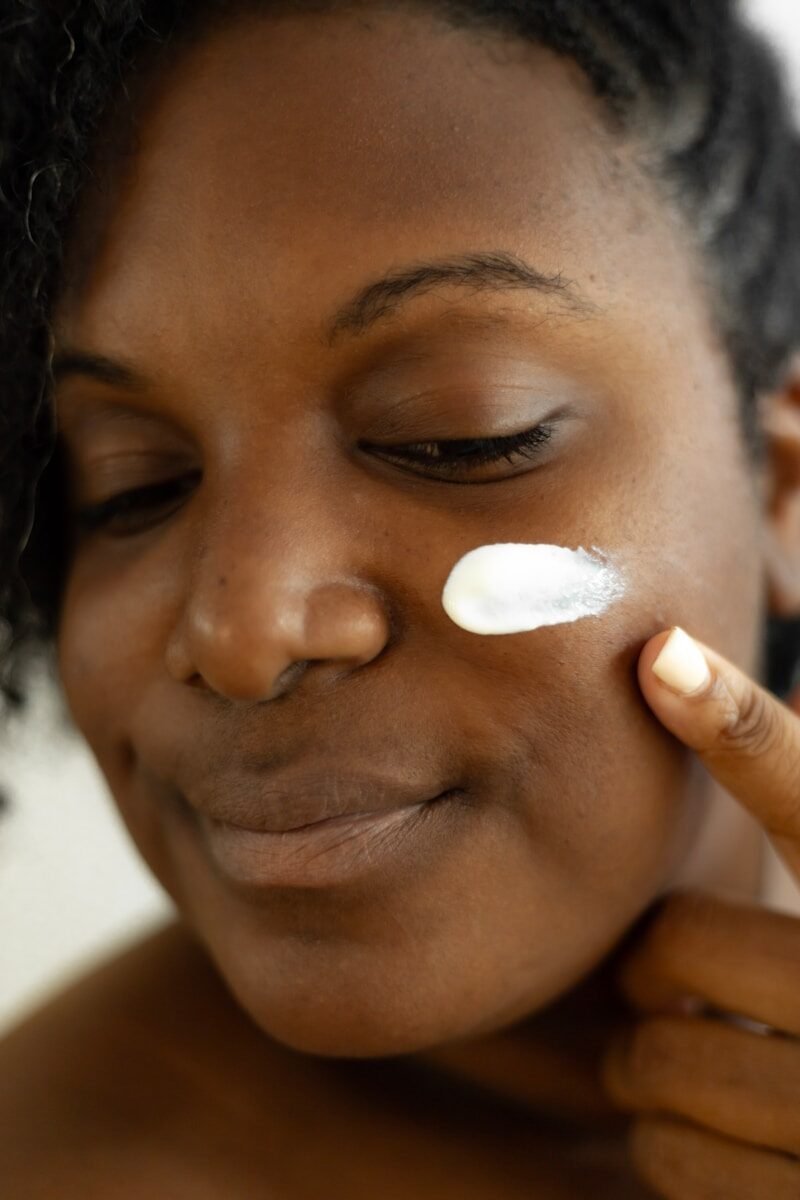
Use enough: For face and neck, apply about two fingers’ length of product or roughly 1/3–1/2 teaspoon. See the American Academy of Dermatology for application guidance.
Warm, then spread: Rub sunscreen between fingers, then press and glide from center outward. This helps tints diffuse evenly and prevents pilling.
Moisturizer first: A thin layer of moisturizer softens dry patches so pigment doesn’t cling and turn gray. Let moisturizer set 1–2 minutes, then apply SPF.
Reapply smartly: Every 2 hours outdoors, sooner if sweating or toweling. Use tinted sticks on high points and a light powder SPF for shine control over makeup.
For smoother skin prep, a gentle cleansing tool can help maintain texture. Consider this Face and body Skin Care device to keep skin even before SPF.
Top Categories and Use Cases: Tinted daily wear, matte oil-control, hydrating creams, sticks for touch-ups, sport/water-resistant options
- Tinted daily wear: Sheer-to-light coverage evens tone and masks cast. Ideal for office, school, and video calls. Choose iron-oxide-based tints for visible light considerations.
- Matte oil-control: Soft-matte mineral gels or fluids reduce midday shine. Great for humid climates and oily T-zones.
- Hydrating creams: Dewy finishes cushion dry or textured areas so pigment doesn’t cling. Look for ceramides, glycerin, or squalane.
- Sticks for touch-ups: Swipe-and-go reapplication on the go; excellent for noses, cheeks, and kids. Keep one in your bag for outdoor lunches and commutes.
- Sport/water-resistant: Choose 40–90 minutes water resistance. Pair with a hat and sunglasses for peak sun hours.
Note: Even with a great tint, layer thoughtfully with makeup to avoid buildup. Let each layer set before the next.
Swatch Testing and Shade Matching at Home: Indoor vs outdoor light and photo flash checks
Test on the jawline: Swipe thin stripes from cheek to neck to check blend into both areas.
Wait 10–15 minutes: Let sunscreen set. Many minerals deepen slightly as they dry, which improves the match.
Check multiple lights: Evaluate in indoor, daylight by a window, and outdoor shade. Take a quick flash photo to spot potential flashback.
When in doubt: Pick the tint that disappears in outdoor shade and under camera flash. If between undertones, mix a dot of warmer and neutral to fine-tune.
Conclusion: Choose a cast-free formula and commit to daily wear
With the right tint, finish, and technique, mineral SPF can look invisible on the deepest complexions. Choose undertone-smart, iron-oxide-infused formulas and apply the correct amount on well-moisturized skin.
Consistency matters. Wear your cast-free mineral sunscreen every day, reapply outdoors, and enjoy long-term skin comfort and protection.
FAQ: Does it protect from blue light? Will it flash back in photos? How to apply over beards? Preventing transfer to clothing?
- Does mineral sunscreen protect from blue light? Zinc oxide mainly targets UV. Tinted formulas with iron oxides better address HEV (blue) light. For screen-heavy days, favor tinted mineral SPFs.
- Will it flash back in photos? Untinted minerals can reflect camera flash. Tinted, iron-oxide blends reduce flashback. Always let product set and do a quick flash test before events.
- How do I apply over beards? Work product with the grain using fingertips, then press in. A clean grooming brush or sponge can help reach skin under coarse hair without streaks.
- How to prevent transfer to clothing? Apply to clean, moisturized skin, allow 5–10 minutes to set, and blot gently. For collars and turtlenecks, dust with a light setting powder at the edges to reduce rub-off.
For more background on sunscreen science, see Wikipedia’s overview.